Instant Pot Duo 7-in-1 Electric Pressure Cooker: An In-Depth Look at Features and Function
Introduction
For a long time, a well-stocked kitchen meant a fairly long list of single-purpose appliances tucked into cabinets, most of which spent far more time in storage than actually in use. A pressure cooker might come out a handful of times a year, a rice cooker gets used weekly but takes up permanent counter space, and a slow cooker sits idle for months before a busy week calls it back into service. That pattern is exactly what multicookers were designed to interrupt.
The basic premise behind combining several distinct cooking methods into one countertop appliance is fairly intuitive: instead of owning five different machines that each do one thing, own one machine that reasonably covers most of the same ground. That’s the general category the Instant Pot Duo 7-in-1 belongs to, and it’s worth understanding on its own terms — not as a replacement for specialized, dedicated equipment in every situation, but as a practical consolidation for households that want flexibility without a cluttered kitchen. This article takes an independent, educational look at what this particular model offers, how it’s constructed, and what might be worth thinking through before it becomes part of a regular cooking routine.
Product Overview
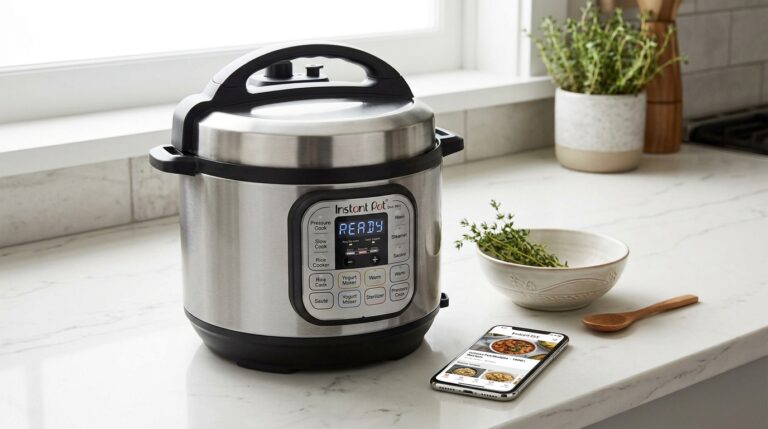
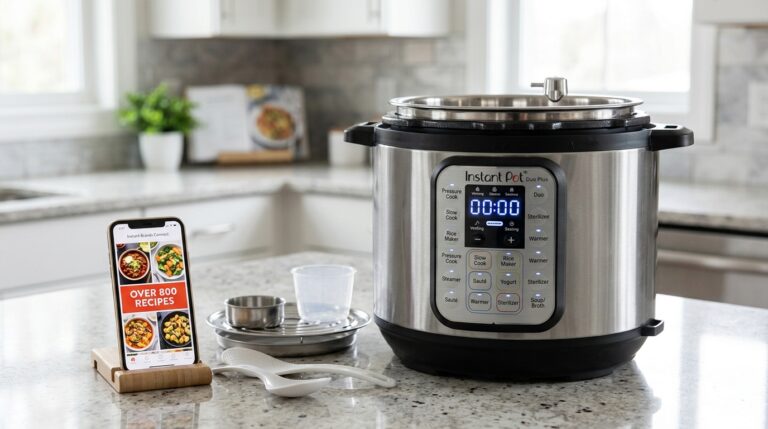
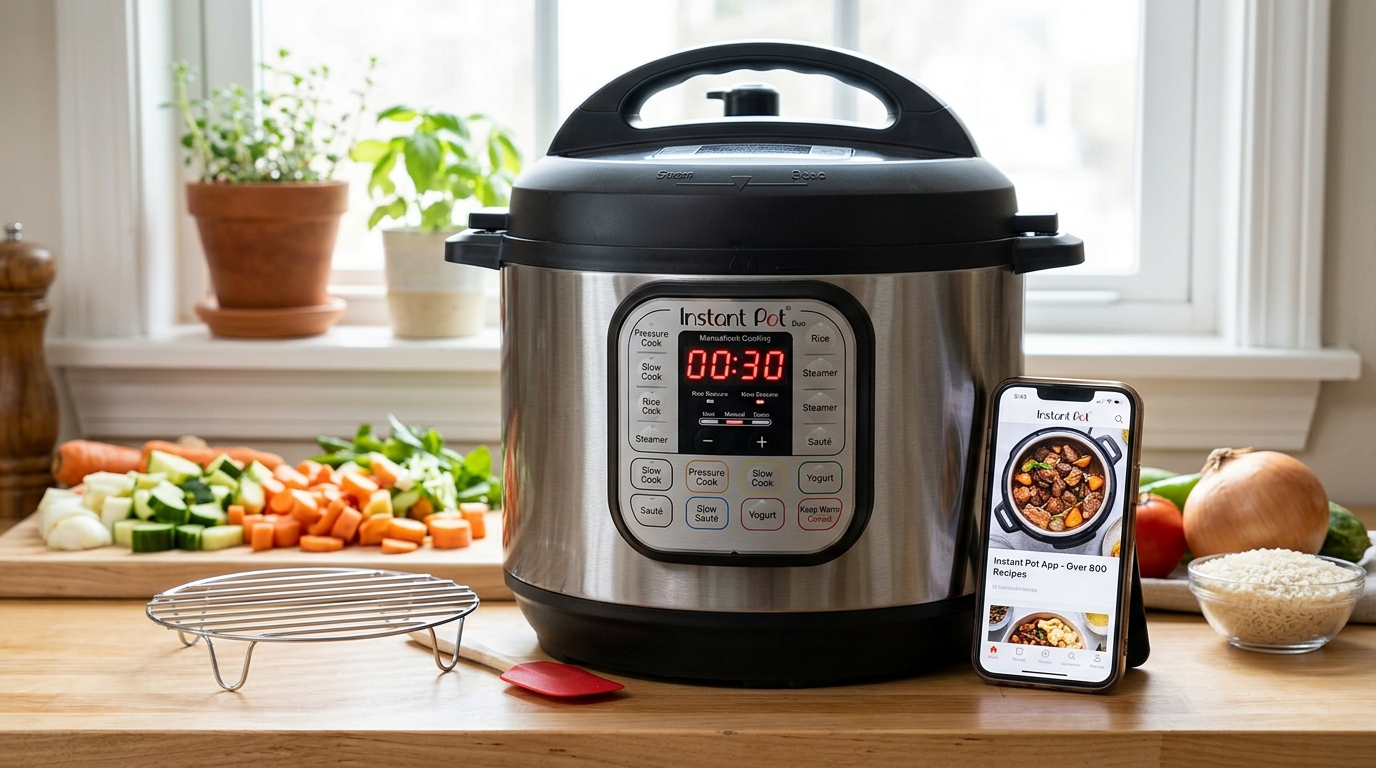
The Instant Pot Duo is a 6-quart electric pressure cooker built with a stainless steel inner pot, classified as a 7-in-1 appliance. That designation reflects the range of cooking functions built into the unit, generally including pressure cooking, slow cooking, rice making, steaming, sautéing, yogurt making, and warming, along with a sterilizing function rounding out its capabilities.
Like other models in the Instant Pot line, the Duo is designed to pair with a companion app offering access to more than 800 recipes, intended to help new users navigate the process of preparing dishes suited to a multicooker format rather than relying purely on adapted stovetop or oven recipes. Its core purpose is to bring together several commonly used cooking methods into a single stainless steel pot, aimed at households that want more versatility from one appliance rather than maintaining several separate ones.
Key Features
Seven Built-In Cooking Functions
The Duo includes seven primary functions: Pressure Cook, Slow Cook, Rice Maker, Steamer, Sauté, Yogurt, Warmer, and Sterilizer. Each is designed to automatically apply appropriate settings for pressure, temperature, and timing based on the selected mode, which may reduce the manual calculations that would otherwise be required when adapting a recipe to a new cooking method.
- Pressure Cook is designed to significantly shorten cooking time for dishes like stews, beans, or tougher cuts of meat by cooking food in a sealed, pressurized environment.
- Slow Cook is intended to replicate the low, extended-heat style of a traditional slow cooker, generally suited to dishes that benefit from longer, gentler cooking times.
- Rice Maker is designed to automatically adjust settings based on rice type, aiming for consistent texture without requiring constant monitoring.
- Steamer is built for gently cooking vegetables, seafood, or other delicate foods using steam rather than direct heat or full liquid immersion.
- Sauté allows for direct-heat cooking within the same pot, which may be useful for browning meat or softening vegetables before switching to another function.
- Yogurt is designed to hold a specific, consistent low temperature over an extended period, supporting the fermentation process behind homemade yogurt.
- Warmer is intended to keep finished food at a safe serving temperature without continuing to actively cook it.
- Sterilizer uses heat to sanitize items such as baby bottles or canning jars, offering an alternative to boiling them separately.
Companion App with Over 800 Recipes
The appliance is designed to connect with a companion app offering access to more than 800 recipes, intended to provide structured guidance across a wide variety of dishes. This may be particularly useful for anyone newer to multicooking, or for households looking for fresh recipe ideas beyond their usual rotation.
Stainless Steel Inner Pot
The inner cooking pot is constructed from stainless steel, a material generally valued for its durability and resistance to staining, scratching, or reacting with acidic ingredients — a different set of properties compared to non-stick coated alternatives, which tend to require gentler handling.
6-Quart Capacity
At 6 quarts, this model is designed to accommodate small to medium households, generally suited to preparing meals for roughly four to six people, depending on the specific dish and how it’s portioned.
Sealed Pressure Cooking Mechanism
The pressure cooking function relies on a sealed lid system designed to build and maintain internal pressure, which raises the boiling point of liquid inside the pot and is intended to cook food considerably faster than conventional stovetop or oven methods.
Materials and Design
The stainless steel inner pot stands out as one of the more notable construction details on this model, offering different handling characteristics compared to non-stick coated pots used in some other multicookers. Stainless steel is generally chosen for its durability, its resistance to scratching, and its compatibility with metal utensils, though it typically requires a bit more attention to prevent sticking during higher-heat functions like sautéing.
The appliance’s exterior is built around a sealed lid mechanism central to the pressure cooking process, incorporating a locking system designed to keep the lid securely closed while internal pressure builds. This sealed design is a defining structural element of any pressure-capable multicooker, setting it apart from simpler appliances like standalone slow cookers or rice cookers that don’t need to manage pressure buildup at all.
The control panel is generally digital, offering dedicated settings for each of the appliance’s seven functions, along with a display for adjusting time and, where relevant, pressure level. This layout is designed to make the various cooking modes accessible without requiring users to memorize complicated manual settings for each individual method.
Performance
Performance in a multicooker like this varies considerably depending on which function is in use, since each mode relies on a fundamentally different cooking mechanism. The pressure cooking function is designed to noticeably reduce cooking times for foods that would otherwise take much longer through conventional methods, by cooking under sealed, pressurized conditions that raise the internal boiling point.
The slow cook function operates under an entirely different principle, designed to apply low, sustained heat over an extended period to replicate the results of a traditional slow cooker. The rice maker and steamer functions are generally built for narrower, more specific tasks, aiming for consistent results within their particular use case rather than broad flexibility across many dish types.
As with any multi-function appliance, actual results will depend on factors like ingredient quantity, moisture content, and how closely a given recipe follows the guidelines associated with each function. Recipes specifically written for multicookers — such as those found through the companion app — tend to produce more predictable outcomes than recipes adapted from stovetop or oven instructions without adjustment.
Common Uses
This type of multicooker is generally suited for:
- Weeknight meals that need to come together quickly, using the Pressure Cook function to meaningfully cut down on preparation time for dishes like stews, soups, or beans.
- Meals prepared ahead of time, using the Slow Cook function for dishes that benefit from extended, low-heat cooking over the course of a day.
- Everyday rice preparation, using the Rice Maker function for consistent results without requiring stovetop monitoring.
- Gently cooking vegetables or seafood, using the Steamer function to preserve texture in a way that boiling or direct heat might not.
- Browning ingredients before switching functions, using the Sauté function to build flavor within the same pot before moving to slow or pressure cooking.
- Homemade yogurt, using the Yogurt function to maintain the specific low temperature range needed for the fermentation process.
- Sanitizing baby bottles or canning jars, using the Sterilizer function as an alternative to boiling items separately on the stovetop.
Advantages
- Broad functional range: Combining seven cooking functions into one appliance may reduce the number of separate kitchen tools a household needs to own and store.
- Meaningful time savings for certain dishes: The pressure cooking function is designed to significantly shorten preparation time for foods that traditionally require long cooking periods.
- Recipe support through the companion app: Access to more than 800 recipes may reduce the learning curve for those newer to multicooking as a general approach.
- Durable stainless steel construction: This material choice may appeal to buyers who prefer a more traditional cookware surface over non-stick alternatives.
- Versatility across different meal types: From rice and steamed vegetables to yogurt and sterilized items, the appliance is designed to cover a fairly wide range of everyday kitchen needs.
- Reasonable capacity for most households: The 6-quart size is generally well suited to small to medium families without requiring an oversized appliance footprint.
Things to Consider
A handful of practical points are worth reviewing before purchasing:
- Learning curve across several functions: With seven distinct cooking modes, new users may need some time to become comfortable with how each one works and which is best suited to a given dish.
- Stainless steel requires more attention during sautéing: Unlike non-stick surfaces, the stainless steel pot may need more oil or closer monitoring to help prevent sticking during high-heat functions.
- Understanding pressure cooking safety: As with any pressure-based appliance, familiarity with proper lid sealing and pressure release procedures is an important part of using it safely and effectively.
- Counter and storage space: While the appliance consolidates several functions into one unit, it still requires a reasonable amount of dedicated counter or storage space on its own.
- Personal preference for cooking style: Some users may find that certain dishes taste or feel different when prepared in a multicooker compared to traditional stovetop or oven methods, which comes down to personal taste rather than a fixed limitation of the appliance itself.
Comparison with Similar Product Categories
Compared to single-function appliances like a standalone slow cooker or rice cooker, a multicooker like this one is generally designed to consolidate several of those individual tools into a single unit, which may reduce overall kitchen clutter, though it also means relying on one appliance across multiple tasks rather than having dedicated equipment for each.
Compared to stovetop pressure cookers, electric multicookers with a built-in pressure function are typically designed to offer more automated control over pressure levels and cooking time, which may reduce some of the manual monitoring associated with traditional stovetop pressure cooking methods.
Compared to multicookers without a companion app or recipe library, models that include this kind of guided support may offer an easier entry point for those newer to the appliance, though overall cooking capability across most multicookers in this general category tends to be fairly comparable.
Compared to multicookers with non-stick coated inner pots, stainless steel models like this one are generally chosen for durability and scratch resistance, though they may require a bit more attention to prevent sticking during certain functions like sautéing.
Maintenance and Care
Routine maintenance can help preserve the performance and longevity of a multicooker like this one. General care recommendations typically include:
- Allowing the unit to cool and fully release pressure before opening the lid, following the manufacturer’s specific guidance on safe pressure release procedures.
- Removing and cleaning the inner pot after each use, generally with warm, soapy water, and checking whether it’s rated for dishwasher use.
- Inspecting the sealing ring periodically for wear or damage, since this component plays a central role in maintaining proper pressure during cooking.
- Wiping down the exterior housing and control panel with a damp cloth, avoiding submerging the base unit in water since it houses electrical components.
- Checking the steam release valve regularly to make sure it remains clear of food debris, which can affect pressure regulation during cooking.
- Storing the appliance in a dry location, with the lid either off or resting loosely on the pot to help prevent trapped odors between uses.
Referring to the manufacturer’s included instructions is especially important for a pressure-capable appliance like this one, given the added safety considerations involved, and remains the most reliable way to maintain both performance and safety over its lifespan.
Frequently Asked Questions
1. What household size is this multicooker best suited for? The 6-quart capacity is generally well suited to small to medium households, roughly four to six people, depending on the specific dish being prepared.
2. How many cooking functions does this appliance include? It’s classified as a 7-in-1 appliance, generally covering pressure cooking, slow cooking, rice making, steaming, sautéing, yogurt making, and warming, along with a sterilizing function.
3. Does pressure cooking actually save meaningful time compared to conventional methods? The pressure cooking function is designed to significantly reduce cooking time for foods that typically require longer preparation, by cooking under sealed, pressurized conditions.
4. Is the companion app required to use the appliance? No, the appliance can generally be operated using its built-in control panel; the app is designed as an additional resource offering recipe guidance rather than a requirement for basic operation.
5. Is the inner pot dishwasher safe? This can vary, so checking the specific care instructions included with the appliance is recommended before placing the pot in a dishwasher.
6. Can this appliance make yogurt from scratch? Yes, the Yogurt function is designed to maintain a specific low temperature over an extended period, supporting the fermentation process involved in homemade yogurt.
7. Is stainless steel more difficult to clean than a non-stick pot? It can require a bit more effort to prevent sticking during high-heat functions like sautéing, though stainless steel is generally more resistant to scratching over time.
8. How does the Sterilizer function work? It’s designed to use heat to sanitize items such as baby bottles or canning jars, offering an alternative to boiling them separately on the stovetop.
9. Is pressure cooking safe to use regularly? Like any pressure-based appliance, safe use depends on following the manufacturer’s guidance regarding lid sealing, pressure buildup, and proper release procedures.
10. Can I sauté ingredients before switching to slow cooking or pressure cooking? Yes, the Sauté function allows for direct-heat cooking in the same pot, which may be useful for browning or softening ingredients before switching to another mode.
11. How many servings does this multicooker typically produce? The 6-quart size generally accommodates four to six servings, depending on the specific recipe and portion sizes involved.
12. Does this appliance require any special kitchen setup? Beyond a standard countertop outlet, this appliance doesn’t generally require special kitchen modifications, though adequate counter space and clearance around the steam release valve are worth considering.
Final Thoughts
The Instant Pot Duo 7-in-1 Electric Pressure Cooker reflects a practical approach to consolidating multiple kitchen appliances into a single, versatile countertop unit. By combining pressure cooking, slow cooking, rice making, steaming, sautéing, yogurt making, and sterilizing into one stainless steel pot, and pairing it with a companion app offering hundreds of recipes, it’s designed to serve households looking to simplify their kitchen setup without giving up functional variety.
As with any kitchen appliance, whether this particular model fits a given household ultimately depends on factors like typical meal preparation habits, comfort with pressure cooking, and how much counter or storage space is realistically available. Reviewing the manufacturer’s specifications and safety instructions ahead of time can help set clear, realistic expectations before use.